
Energy-Efficient Upgrades for Your Home
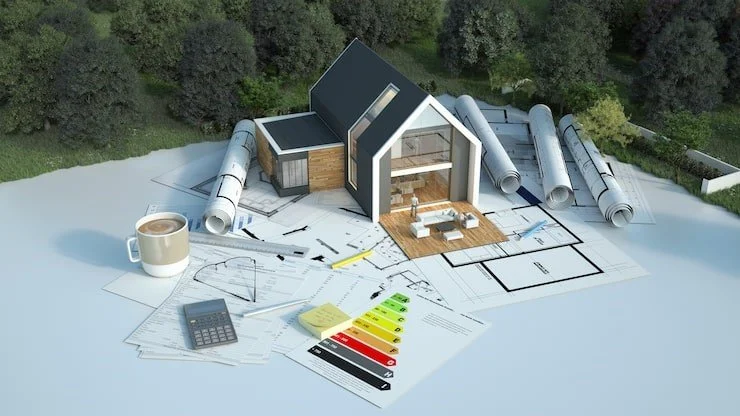
Improving the energy efficiency of your home is not just about reducing utility bills it’s about creating a more comfortable, sustainable living space. Homeowners increasingly seek practical solutions to enhance energy performance while maintaining style and functionality. Websites like Composite Carpentry offer valuable insights and services for homeowners looking to make thoughtful upgrades, from siding to custom carpentry projects.
In this blog, we’ll explore the best energy-saving home improvements that can make a tangible difference in your home’s energy consumption, comfort, and overall value.
Why Energy-Efficient Upgrades Matter
Making your home more energy-efficient offers several benefits:
Lower Energy Bills: Reducing heating, cooling, and electricity usage can significantly lower monthly utility costs.
Environmental Impact: Efficient homes reduce carbon footprints by minimizing energy consumption.
Comfort: Improved insulation, windows, and ventilation systems enhance comfort year-round.
Home Value: Energy-efficient upgrades are increasingly attractive to potential buyers, increasing resale value.
Understanding which upgrades deliver the highest impact can help homeowners prioritize projects wisely.
Top Energy-Saving Home Improvements
Here are some effective ways to make your home more energy-efficient:
1. Upgrade Insulation
Proper insulation is a cornerstone of energy efficiency. Homes with poor insulation lose heat in the winter and cool air in the summer, leading to higher energy costs. Consider:
Attic Insulation: Adding or upgrading insulation in the attic prevents heat transfer and reduces HVAC strain.
Wall Insulation: Insulating walls helps maintain consistent indoor temperatures.
Basement and Crawl Space Insulation: Properly insulating these areas prevents energy loss from the foundation.
For professional guidance, explore kitchen renovations and basement remodeling services that often integrate insulation upgrades for enhanced energy performance.
2. Install Energy-Efficient Windows and Doors
Windows and doors are significant points of heat loss. Replacing old, drafty windows with energy-efficient models can:
Reduce heat transfer with double or triple glazing
Minimize drafts with proper seals
Increase natural light while maintaining insulation
Additionally, doors with insulated cores can complement window upgrades to create a more airtight home. For exterior updates, services like siding in Bloomington can improve both energy efficiency and curb appeal.
3. Upgrade Heating and Cooling Systems
Old HVAC systems can be inefficient and costly. Energy-saving options include:
High-Efficiency Furnaces and Boilers: Use less fuel while providing the same level of warmth.
Energy-Efficient Air Conditioners: Reduce electricity consumption during summer months.
Programmable Thermostats: Allow you to optimize heating and cooling schedules automatically.
Even small improvements in HVAC efficiency can result in noticeable reductions in energy bills over time.
4. Install Solar Panels or Renewable Energy Systems
For homeowners looking to significantly reduce energy consumption and bills, solar panels are an effective solution. Solar energy allows homes to generate their electricity, which can be stored or returned to the grid for savings. While initial installation costs can be high, tax incentives and long-term savings make solar energy an increasingly popular option.
5. Upgrade Lighting
Lighting may seem minor compared to HVAC or insulation, but it is an easy, cost-effective way to save energy:
Switch to LED Bulbs: LEDs use up to 75% less energy than incandescent bulbs.
Install Smart Lighting: Motion sensors and timers prevent unnecessary energy use.
Optimize Natural Light: Use windows, skylights, and mirrors to reduce reliance on artificial lighting during the day.
For creative solutions that integrate energy efficiency and aesthetics, consider composite decks and outdoor structures that enhance natural light and airflow.
6. Seal Air Leaks
Air leaks around doors, windows, and ductwork can waste significant energy. Sealing leaks with caulking, weatherstripping, or spray foam helps maintain a consistent indoor temperature and reduces strain on HVAC systems.
7. Upgrade Water Heating Systems
Water heating accounts for a large portion of household energy use. Consider:
Tankless Water Heaters: Heat water on demand, reducing standby energy loss.
High-Efficiency Storage Heaters: Use insulation to minimize heat loss.
Low-Flow Fixtures: Reduce water use without compromising comfort.
These improvements are straightforward and often provide quick returns on energy bills.
8. Smart Home Energy Management
Smart home technology can help homeowners monitor and manage energy consumption efficiently:
Smart Thermostats and Sensors: Automatically adjust temperatures based on occupancy.
Energy Monitoring Systems: Track usage patterns and identify energy drains.
Integrated Home Automation: Control lighting, HVAC, and appliances remotely for optimal efficiency.
Integrating Energy Efficiency with Home Renovations
Energy-saving upgrades can also complement general home improvement projects. For instance, during kitchen renovations or basement remodeling, homeowners can integrate:
Improved insulation
Energy-efficient lighting
Smart appliances
Learn more about combining energy efficiency with home upgrades at Composite Carpentry’s blog on custom carpentry projects.
Conclusion
Energy-efficient upgrades are an investment in comfort, savings, and sustainability. From insulation and HVAC improvements to smart home systems and renewable energy, there are numerous ways to enhance your home while reducing energy consumption. Integrating these upgrades into renovations or carpentry projects ensures your home is not only beautiful but also environmentally responsible.
Explore practical energy-saving solutions and local services through Composite Carpentry to create a home that is both functional and efficient.
Frequently Asked Questions (FAQ)
-
The simplest upgrades include switching to LED lighting, sealing air leaks, adding weatherstripping, and installing programmable thermostats.
-
Energy-efficient windows can reduce heating and cooling costs by 10-25%, depending on your home’s size, climate, and existing insulation.
-
Yes. While some upgrades require upfront costs, they save money on utility bills, increase home comfort, and often increase resale value.
-
Absolutely. Renovations like kitchen remodeling, basement finishing, or siding replacement are excellent opportunities to incorporate insulation, energy-efficient lighting, and modern HVAC systems.
-
Trusted local providers like Composite Carpentry offer services including siding, composite decks, and home remodeling that can incorporate energy-saving solutions.