
How to Choose the Right Deck Size for Your Home and Lifestyle
Choosing the right deck size is one of the most important decisions homeowners make when planning an outdoor living space. A deck that is too small can feel cramped and frustrating to use, while a deck that is too large can overwhelm the yard and inflate construction costs unnecessarily. The right size strikes a balance between function, comfort, aesthetics, and long-term value.
Deck size should never be a guess or an afterthought. It should be a deliberate decision based on how the space will be used, who will use it, and how it fits with the home and yard. Understanding these factors upfront helps prevent regrets later and ensures the deck becomes a natural extension of the home.
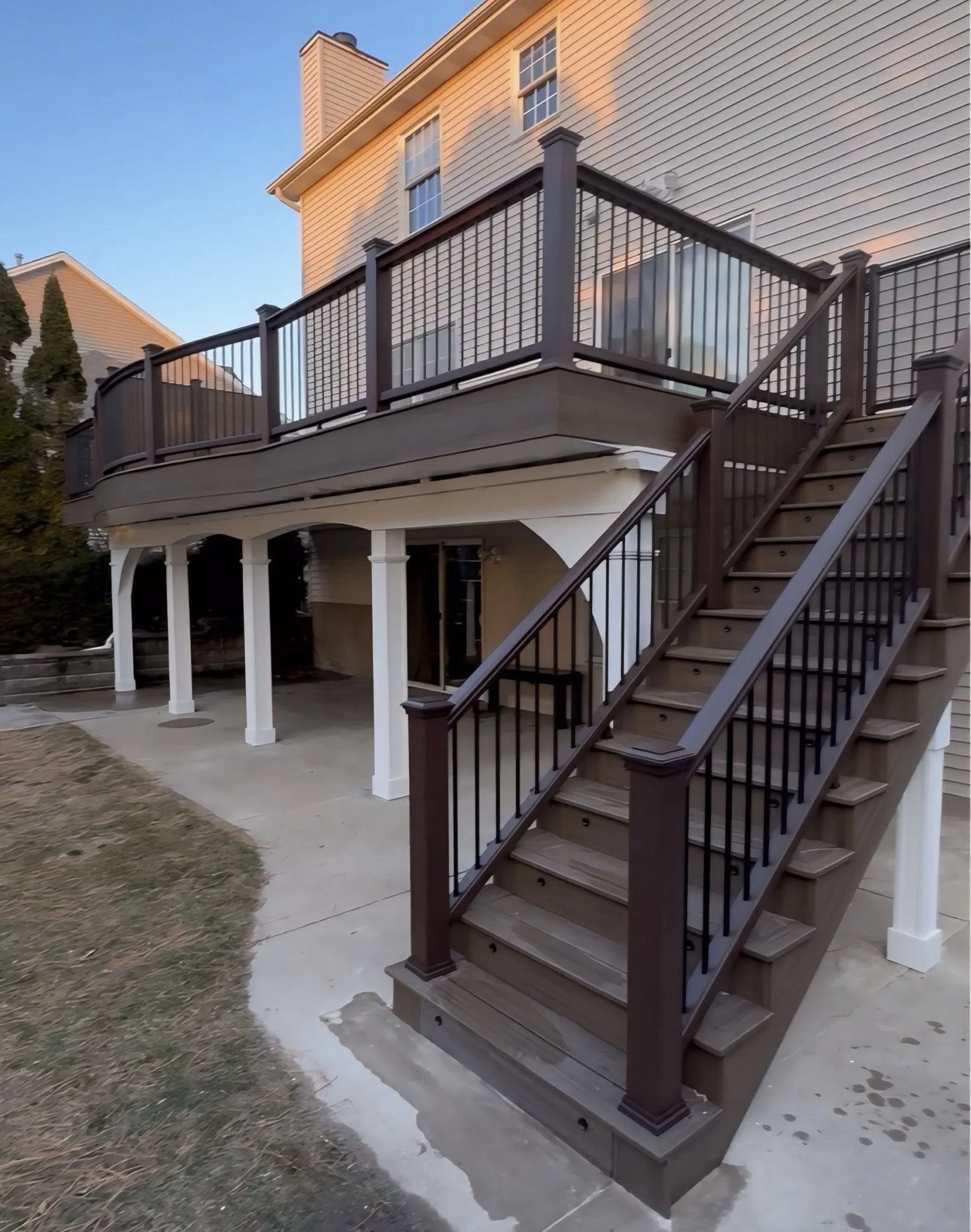
Why Deck Size Matters More Than Most Homeowners Realize
Deck size directly affects how usable and enjoyable the space feels. Even a beautifully built deck can fall short if it does not allow for comfortable movement, proper furniture placement, or safe circulation.
For example, a homeowner who plans to grill and dine outdoors may discover that a narrow deck barely fits a table, forcing guests to squeeze past chairs to move around. On the other hand, a deck that takes up most of the backyard may limit green space and feel disconnected from the landscape.
Deck size also influences safety, resale value, and future flexibility. A well-sized deck feels intentional and balanced, while a poorly sized one can look awkward or feel like wasted square footage.
How You Actually Use Your Deck Should Drive Its Size
The most reliable way to determine deck size is to start with real-life use, not appearance alone. Decks are not one-size-fits-all spaces, and different households use them in very different ways.
Some decks function mainly as quiet retreat spaces for morning coffee or evening relaxation. Others serve as outdoor dining rooms, entertainment hubs, or family gathering areas. A deck designed for two chairs and a small table does not require the same footprint as a deck meant for hosting barbecues or birthday parties.
A common scenario involves homeowners planning a deck “just for now,” only to realize later that it feels limiting once guests are invited over or furniture is added. Planning around daily use and occasional gatherings helps avoid undersized layouts that feel tight the moment they are put to use.
Common Deck Sizes and What They’re Best Used For
While decks can be built to virtually any size, certain dimensions tend to work better for specific purposes.
Smaller decks often work well for homes where outdoor use is limited to a grill and a couple of chairs. These decks usually connect directly to a kitchen or living area and act as a modest outdoor extension rather than a full entertainment space.
Mid-sized decks are popular for homeowners who want flexibility. They typically allow room for a dining table, grill, and some open circulation space. These decks feel comfortable without dominating the yard and are ideal for families who entertain occasionally.
Larger decks are designed for frequent entertaining, outdoor kitchens, multiple seating zones, or larger households. These decks require careful planning to avoid feeling empty or disjointed. When properly designed, they create distinct zones that feel intentional rather than oversized.
How Furniture and Layout Impact Deck Size Requirements
Furniture placement is one of the most overlooked aspects of deck sizing. Many homeowners visualize furniture fitting neatly without accounting for clearance space around it.
A dining table may technically fit within a certain footprint, but chairs need room to slide back, and people need space to walk around comfortably. Without proper clearance, the deck can feel cramped even if the square footage seems adequate on paper.
Choosing the Right Deck Size for Entertaining Guests
Entertaining requires more space than daily use. Decks that regularly host guests should include room for standing, mingling, and movement—not just seating.
When guests gather, people rarely stay seated the entire time. They move between the grill, seating areas, railings, and stairs. A deck designed only for furniture placement often feels overcrowded during events.
Deck Size Considerations for Families with Kids or Pets
Families with children or pets benefit from decks that allow open space, not just furniture zones. Kids need room to move safely, and pets need enough space to avoid constant obstacles.
A deck filled wall-to-wall with furniture may technically function, but it limits play and movement. Leaving intentional open areas makes the deck more versatile and family-friendly.
How Yard Size and Home Proportions Affect Deck Design
Deck size should always be in proportion to both the yard and the house. A deck that is too large for the yard can feel overwhelming, while one that is too small can feel insignificant.
Homes with large rear elevations often benefit from decks that span a wider portion of the house, creating visual balance. Smaller homes may look best with decks that feel integrated rather than oversized.
For example, a modest home with a massive deck can appear top-heavy and out of scale. Conversely, a large home with a narrow deck may look unfinished. Matching deck size to architectural proportions helps the space feel cohesive and intentional.
Single-Level vs. Multi-Level Decks and Space Planning
Multi-level decks can be an effective solution when space is limited or when homeowners want to separate functions without increasing overall footprint.
Rather than building one large flat deck, a split-level design can create zones for dining, lounging, and access points. This approach can make a deck feel larger and more functional without taking over the yard.
A relatable scenario involves a sloped backyard where a single large deck would require extensive excavation or tall railings. A multi-level deck can step down with the terrain, providing usable space while maintaining visual balance.
How Deck Size Impacts Construction Costs and Budget
Deck size has a direct impact on cost, but bigger is not always better. Materials, labor, footings, railings, and stairs all increase with size.
Homeowners sometimes assume that a slightly larger deck will not significantly affect the budget, only to be surprised by the added costs of railings, framing, and structural requirements. Careful sizing ensures money is spent on function rather than unused square footage.
For example, expanding a deck by just a few feet may require additional footings or longer beams, which can increase labor and material costs more than expected. Strategic sizing helps maximize value without unnecessary expense.
Local Building Codes and Setback Rules That Affect Deck Size
Deck size is not determined by preference alone. Local building codes, setbacks, and zoning rules often limit how large a deck can be.
Setback requirements may restrict how close a deck can be built to property lines, septic systems, or wetlands. Height restrictions can also influence design choices and size options.
A common situation involves homeowners planning a deck size based on yard measurements, only to discover that local codes require setbacks that reduce usable space. Understanding these rules early prevents redesigns and delays.
Planning for Future Needs When Choosing a Deck Size
Decks should be sized not only for current needs but also for how the space may be used in the future.
A deck built for a couple may later need to accommodate a growing family, frequent guests, or aging homeowners who value accessibility. Planning slightly larger or allowing for future expansion can save time and money later.
Common Deck Sizing Mistakes Homeowners Make
One of the most common mistakes is building a deck based solely on budget rather than function. While budget matters, undersizing a deck often leads to dissatisfaction and underuse.
Another mistake involves copying deck sizes seen online without considering how those designs translate to a specific yard or lifestyle. What works for one home may feel awkward in another.
Failing to account for stairs, doors, and circulation paths is another frequent issue. These elements take up more space than expected and should be factored into sizing decisions from the start.
How a Professional Carpenter Determines the Right Deck Size
Experienced carpenters evaluate deck size by considering structure, function, flow, and proportion. Measurements are taken not just for the deck itself but for furniture layouts, traffic paths, and structural support.
A professional assessment often reveals sizing adjustments that homeowners may not anticipate, such as widening walkways or allowing additional space near stairs and doors. These refinements improve usability and safety without dramatically increasing size.
This process ensures the deck feels intentional rather than improvised, with every square foot serving a purpose.
Balancing Deck Size, Functionality, and Long-Term Value
The best deck size is one that feels comfortable, functional, and appropriate for the home. It should enhance outdoor living without overpowering the yard or straining the budget.
A well-sized deck adds long-term value by increasing usable living space and improving the home’s appeal. Buyers often notice whether a deck feels practical or awkwardly sized.
When size aligns with function, the deck becomes a natural gathering place rather than a space that feels either cramped or excessive.
Final Tips for Choosing a Deck Size You Won’t Regret
Deck sizing decisions should be made with intention, realism, and long-term use in mind. Visual appeal matters, but everyday functionality matters more.
Homeowners benefit most when deck size is planned around real furniture, real movement, and real use patterns. Taking time to consider these factors ensures the finished deck feels comfortable from day one and remains enjoyable for years to come.
A thoughtfully sized deck is not just an addition—it is an extension of how a home is lived in and enjoyed.