
From Winter Worn to Spring Ready: Real Project Transformations
Winter can be tough on a home.
Freezing temperatures, heavy rain, snow, and constant moisture slowly wear down decks, porches, railings, trim, and other exterior wood structures. The damage does not always look dramatic at first. In fact, most homeowners do not notice a problem until spring arrives and they start spending more time outside.
What looked “fine” in December can feel unstable, faded, cracked, or even unsafe by April.
Spring is when winter damage reveals itself. It is also the best time to transform a winter-worn outdoor space into something safe, beautiful, and ready for outdoor living again.
Here is what really happens to exterior carpentry during winter — and what real spring transformations look like.
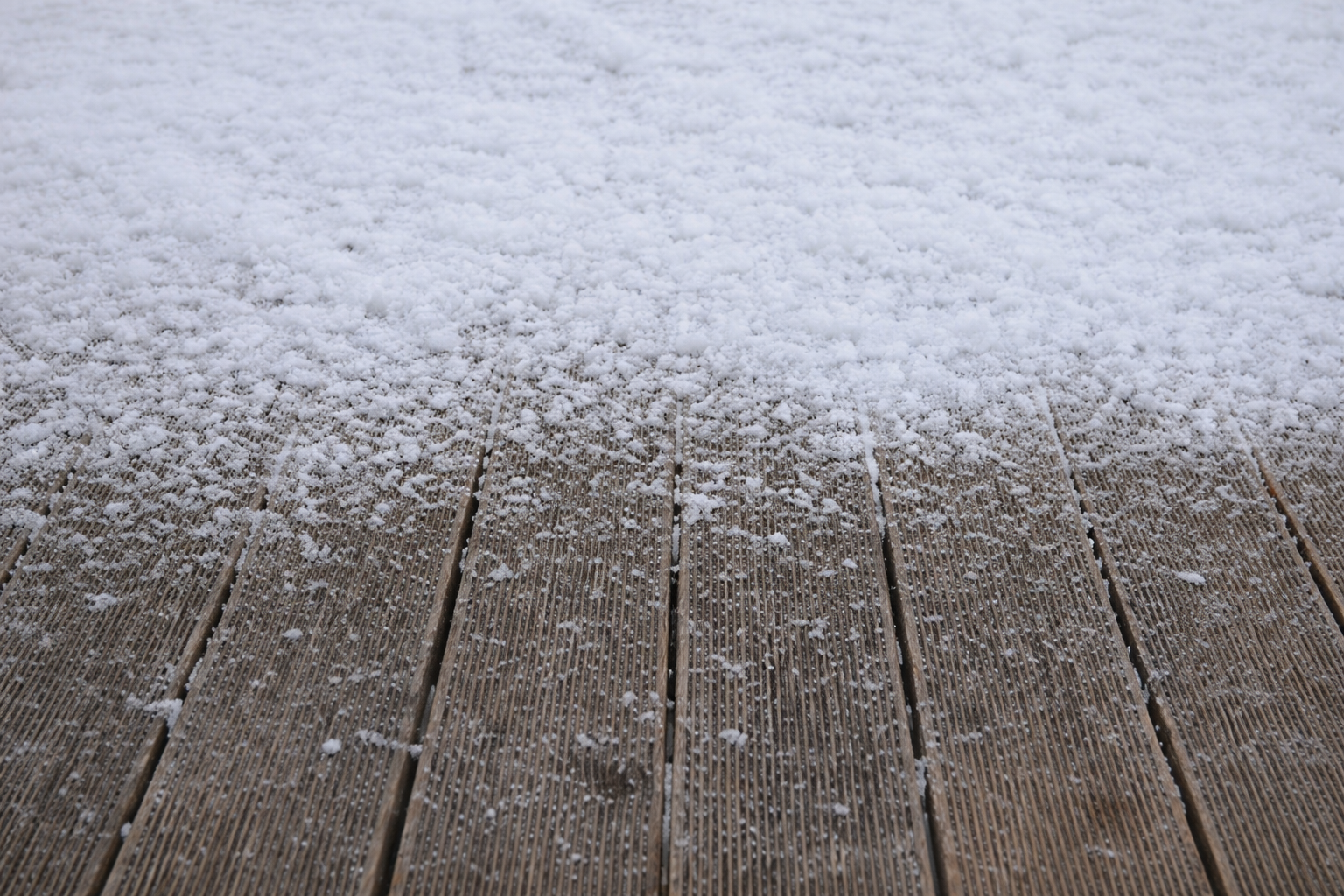
How Winter Damages Decks, Porches, and Exterior Wood Structures
Wood and moisture are constantly interacting. During winter, that interaction becomes more aggressive.
When water seeps into deck boards or porch framing and temperatures drop below freezing, the water expands. When temperatures rise again, the wood contracts. This freeze-thaw cycle happens repeatedly for months.
Over time, this leads to:
Cracked or splitting deck boards
Raised nails or popped screws
Warped boards
Soft spots from hidden rot
Loose railings
Peeling paint or stain
Trim separating from siding
Think of it like a sponge that gets soaked and dried over and over again. Eventually, it starts to break down.
For example, a homeowner may step onto a deck in early spring and notice a slight bounce that was not there last summer. That bounce is often not just surface-level wear. It can be weakened joists underneath caused by moisture intrusion during winter.
Snow piled against porch columns can trap moisture at the base. Over time, that moisture can cause rot where the column meets the floor. From the outside, the column may still look solid. Inside, it may already be compromised.
Winter damage is often quiet — but it spreads if ignored.
Spring Home Inspection Checklist for Exterior Carpentry
Spring is the perfect time to walk around the home and take a close look at exterior wood structures.
Start with the deck surface. Look for boards that are cracked, splintering, or feel soft underfoot. Press gently with a screwdriver in areas that look dark or discolored. If the wood feels spongy, rot may be present.
Check railings by giving them a firm shake. They should feel solid and secure. Any movement could indicate loose fasteners or structural weakening.
Examine stairs carefully. Stair stringers — the angled boards that support the steps — are common areas for rot because they are close to the ground and exposed to splash-back from rain.
Look up at fascia boards and trim along the roofline. Peeling paint or swelling can signal trapped moisture.
Screen porches should be inspected at connection points where framing meets the deck. These joints often collect water during winter storms.
A simple spring inspection can prevent expensive repairs later. Catching a small area of rot early is far easier than replacing an entire structural section.
Real Deck Transformation From Weathered and Unsafe to Spring-Ready Outdoor Living
A winter-worn deck often looks faded and tired by spring. But cosmetic wear is only part of the story.
Consider a typical scenario: a ten-year-old pressure-treated deck exposed to several harsh winters. The boards are gray, some are cupping at the edges, and a few feel soft near high-traffic areas. The railing wobbles slightly. The stairs creak.
At first glance, pressure washing and staining might seem like enough.
However, once boards are removed during inspection, underlying issues may appear. Joists could show early signs of rot where water collected between boards. Ledger connections to the home may need reinforcement. Fasteners may have corroded.
A real spring transformation often includes:
Replacing damaged deck boards
Reinforcing or sistering weakened joists
Securing ledger boards properly
Installing updated railings
Upgrading stairs for better safety
Applying fresh stain or sealing
After repairs, the same deck that felt unstable can become a solid outdoor living space ready for entertaining.
Instead of avoiding the deck because it feels unsafe, homeowners can confidently host spring gatherings, enjoy morning coffee outdoors, or let children play safely.
The difference between a weathered deck and a spring-ready deck is not just appearance — it is structural integrity.
Screen Porch and Exterior Trim Makeovers After Harsh Winter Weather
Screen porches are especially vulnerable to winter conditions because they combine exposed framing with sheltered spaces where moisture can linger.
Cold air and snow can blow into corners and sit unnoticed for months. That moisture can slowly affect framing, flooring, and trim.
In many spring projects, the visible issue is peeling paint or a small crack in trim. Once opened up, the deeper problem is revealed: water intrusion behind trim boards or at the base of columns.
For example, a porch column may look straight and intact. But if the bottom trim piece has been absorbing moisture from snow accumulation year after year, rot can develop inside the column base.
Repairing this properly involves removing affected sections, replacing compromised wood, sealing joints correctly, and ensuring proper drainage moving forward.
Exterior trim and fascia boards often tell a similar story. Winter ice dams or clogged gutters can allow water to back up under shingles. That moisture can drip onto fascia boards repeatedly.
By spring, paint may bubble or wood may swell. Replacing damaged trim and properly sealing new materials prevents the same problem from recurring next winter.
A well-executed porch or trim makeover does more than refresh appearance. It protects the structure underneath.
Repair vs Replace How to Know What Your Deck or Porch Really Needs
One of the most common spring questions homeowners ask is whether to repair or replace their deck.
The answer depends on structural condition, age, and long-term goals.
If the framing underneath is solid and damage is limited to surface boards, targeted repairs may be sufficient. Replacing deck boards and updating railings can dramatically improve both safety and appearance.
However, if multiple joists show rot, ledger attachment is compromised, or stairs are structurally unsound, replacement may be the smarter investment.
Think of it like maintaining a vehicle. Replacing tires makes sense if the engine is in good shape. But replacing tires on a vehicle with a failing transmission does not solve the underlying issue.
Material choice also plays a role. Some homeowners choose to upgrade from pressure-treated lumber to composite decking during replacement. Composite materials resist moisture and require less maintenance over time.
Others prefer natural wood but commit to consistent sealing and maintenance to extend its lifespan.
The key is an honest evaluation of structural components — not just surface appearance.
Why Spring Is the Best Time for Exterior Carpentry Projects
Spring offers ideal conditions for exterior carpentry work.
Temperatures are moderate, which helps materials acclimate properly. Stains and sealants cure more evenly in mild weather. Scheduling projects early also ensures outdoor spaces are ready for summer use.
Waiting until mid-summer can mean longer scheduling delays and limited availability.
There is also a preventative advantage to spring repairs. Addressing winter damage before heavy summer storms reduces the risk of further deterioration.
For example, a loose railing repaired in spring prevents possible safety issues during backyard gatherings. Replacing rotted stair stringers before frequent use reduces accident risk.
Spring projects also enhance curb appeal during peak real estate season. A refreshed porch or deck can significantly impact first impressions if a home is being listed for sale.
From Winter Worn to Spring Ready How Professional Carpentry Protects Your Investment
Exterior carpentry is not just about aesthetics. It is about protecting one of the largest investments most families make — their home.
Winter damage rarely fixes itself. Small cracks allow water in. Water leads to rot. Rot spreads quietly.
A professional spring transformation focuses on:
Identifying hidden structural issues
Using proper flashing and sealing techniques
Ensuring code-compliant construction
Selecting materials suited for the climate
Improving both safety and longevity
A deck that feels solid underfoot creates peace of mind. A screen porch free of soft spots or hidden rot becomes a true extension of the home. Properly sealed trim protects walls and framing from deeper water intrusion.
Spring is a season of renewal. Homes deserve that same renewal after months of harsh weather.
When winter-worn structures are restored correctly, outdoor spaces become places of comfort again — ready for morning coffee, family dinners, quiet evenings, and everything summer brings.
The transformation is not just visual.
It is structural.
It is protective.
It is long-term.
And it begins with recognizing that winter always leaves a mark — but spring is the perfect time to make it right.