
The Hidden Details That Separate Premium Craftsmanship from Average Work
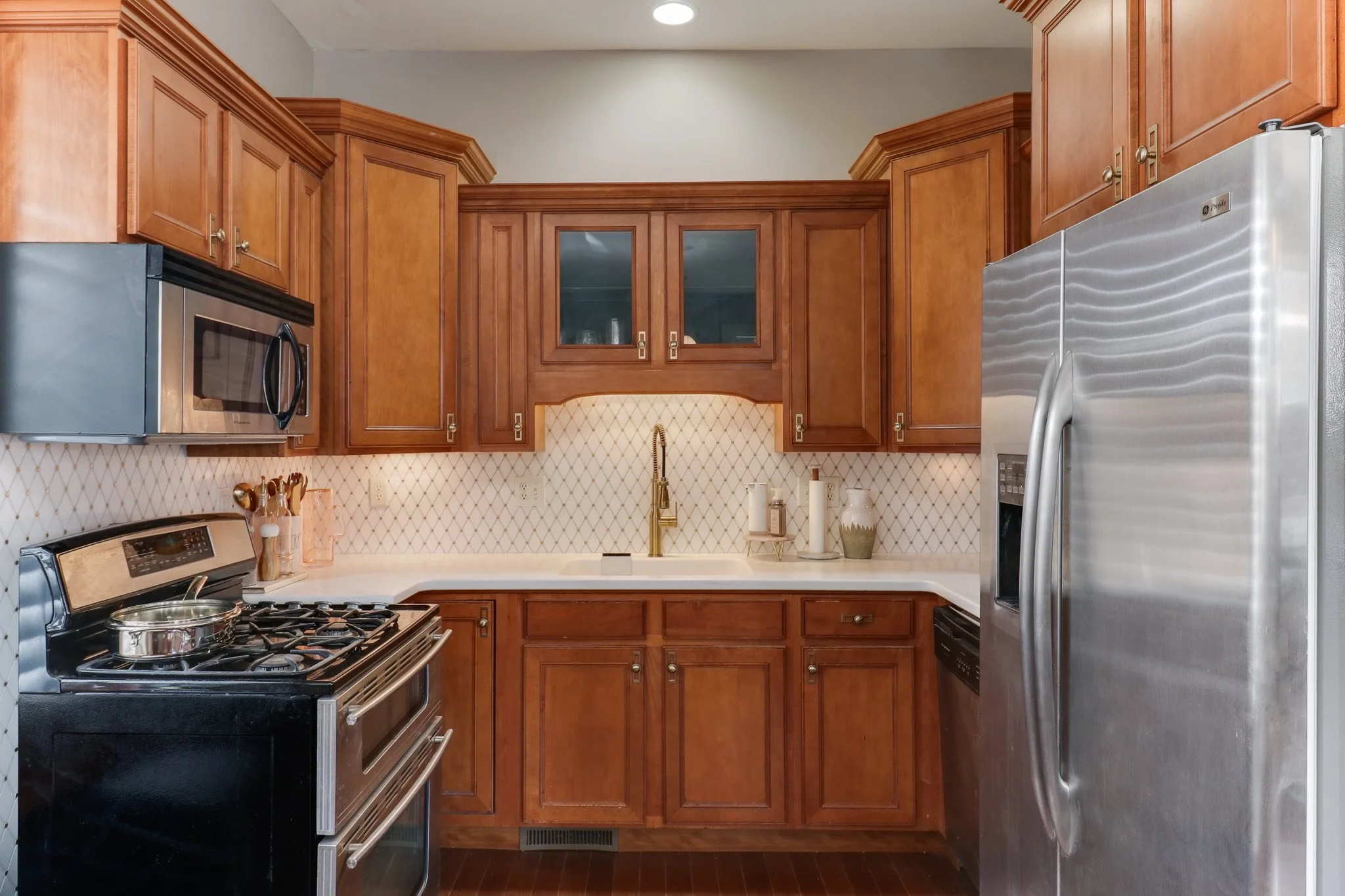
When homeowners picture a successful remodel, they often imagine the finished product—a beautiful bathroom, custom built-in cabinets, or a perfectly designed living space. While the final appearance is important, the true mark of premium craftsmanship isn't just what you see on the day the project is completed. It's what you don't notice years later: cabinets that still close smoothly, trim that hasn't separated, tile that hasn't cracked, and finishes that continue to look beautiful despite everyday use.
The difference between average work and exceptional craftsmanship often lies in dozens of small decisions made long before the last coat of paint or final piece of trim is installed. These details are easy to overlook because they're either hidden behind the walls or subtle enough that most homeowners never think to inspect them.
If you're planning a bathroom remodel, custom carpentry project, or home renovation, understanding these hidden details can help you make better decisions, avoid costly mistakes, and hire a contractor who values quality over shortcuts.
Why Great Craftsmanship Goes Beyond a Beautiful Finish
A freshly completed remodel almost always looks impressive. Even average workmanship can appear flawless for the first few weeks.
The real question is:
How will it look after two years? Five years? Ten years?
Premium craftsmanship is built around longevity. Skilled carpenters don't just focus on making something look good today—they build it so it continues performing well through everyday life.
Think of it like buying a pair of shoes.
Two pairs may look nearly identical sitting on the shelf. After a year of daily wear, one still feels comfortable and holds its shape, while the other has loose stitching and worn-out soles. The difference wasn't visible on day one—it was in the quality of the materials and the care taken during manufacturing.
Home remodeling works the same way.
Precise Measurements Are the Foundation of Every Quality Remodel
One of the biggest differences between experienced carpenters and average contractors begins before any cutting or installation happens.
They measure carefully—and then measure again.
It might sound simple, but even a measurement that's off by just 1/8 inch can create problems that multiply throughout an entire project.
For example, imagine installing a row of custom bathroom cabinets.
If the first cabinet is slightly out of square, every cabinet beside it must compensate for that mistake. By the time you reach the opposite wall, gaps become uneven, doors may not align, and fillers become noticeably larger.
To the homeowner, it might feel like something "just looks off," even if they can't explain why.
Premium craftsmen know that precision at the beginning prevents frustration at the end.
The Details You Never See Matter the Most
Some of the most important work in a remodel disappears forever once the walls are closed.
These hidden details include:
Proper framing
Wall blocking for heavy fixtures
Waterproofing systems
Secure fasteners
High-quality adhesives
Plumbing and electrical preparation
Because homeowners never see these components again, they're also the easiest places for shortcuts.
Imagine hanging a heavy floating vanity.
A premium contractor installs solid blocking behind the drywall so the vanity has structural support.
An average installation might rely mostly on drywall anchors.
Both vanities may look identical on completion day.
Years later, one remains perfectly secure while the other begins pulling away from the wall.
That's why experienced contractors often say:
"The work you never see is usually the most important."
Tight Gaps and Consistent Reveals Separate Professionals from Amateurs
One word many homeowners have never heard is "reveal."
A reveal is simply the visible spacing around doors, drawers, cabinets, and trim.
Although small, these spaces dramatically affect how polished a project feels.
For example:
Imagine looking at two bathroom vanities.
Both use the same cabinets.
Both have the same paint color.
Both cost roughly the same.
But one has perfectly even spacing around every drawer and cabinet door.
The other has one drawer sitting slightly lower, uneven gaps, and trim joints that don't quite meet.
Most people won't immediately identify the issue—but they'll instinctively feel that one looks more expensive.
That's because our eyes naturally recognize balance and symmetry.
Premium craftsmanship pays attention to these tiny details because they're what create a truly custom appearance.
Material Selection Is About Performance, Not Just Appearance
Choosing materials isn't simply about finding something that looks beautiful.
It's about selecting products that will perform well in the environment where they'll be used.
Bathrooms, for example, experience constant humidity and moisture.
That means choosing moisture-resistant materials can significantly extend the life of cabinets, trim, and flooring.
A helpful example:
Imagine buying two kitchen sponges.
One is inexpensive but begins falling apart after a few weeks.
The other costs slightly more but lasts for months.
The cheaper option wasn't actually less expensive—it simply had to be replaced more often.
The same principle applies to home remodeling.
Premium craftsmen understand where investing in better materials makes the biggest difference, and where homeowners can save money without sacrificing quality.
Professional Craftsmen Plan Before They Build
One of the biggest misconceptions about remodeling is that skilled carpenters simply start building.
In reality, much of their expertise happens before the first tool is even picked up.
Planning includes:
Verifying measurements
Checking wall conditions
Identifying plumbing and electrical obstacles
Ordering materials
Planning installation sequences
Protecting existing finishes
Think about assembling a large piece of furniture.
If you skip the instructions and start attaching parts randomly, you'll probably have to take everything apart halfway through.
A remodel works exactly the same way.
Good planning prevents expensive rework.
That's why experienced contractors often appear calm—they've already solved many problems before construction begins.
Quality Craftsmanship Makes Everyday Living Easier
Beautiful work isn't only about appearance.
It's about improving daily life.
Premium craftsmanship considers how homeowners actually use their space.
For example:
Drawers should open effortlessly.
Cabinet doors should close quietly.
Shelves should be positioned for convenient storage.
Mirrors should be installed at comfortable heights.
Hardware should feel natural to reach.
These details may seem small individually.
Together, they completely change how a room feels every single day.
Imagine driving two vehicles.
Both get you to work.
One has smooth steering, comfortable seats, quiet suspension, and thoughtfully placed controls.
The experience is simply better.
A well-crafted home creates the same feeling.
The Finishing Touches Most Homeowners Don't Think to Inspect
The final stages of a remodel often reveal the contractor's true attention to detail.
Some of the easiest things to inspect include:
Clean caulking
Straight, consistent caulk lines not only look better but also help keep moisture out.
Smooth paint transitions
Professional painters avoid visible brush marks, uneven edges, and paint bleeding onto adjacent surfaces.
Flush trim joints
Trim pieces should meet tightly without large gaps or obvious filler.
Consistent hardware placement
Cabinet handles should align perfectly across every drawer and door.
Smooth surfaces
Run your hand across painted cabinets or trim.
Premium finishes feel just as good as they look.
These finishing details may only take a few extra minutes each, but together they create a noticeable difference in quality.
Signs You've Hired a Premium Carpenter
Before hiring a contractor, look beyond beautiful photos.
Ask questions about their process.
A quality carpenter should be comfortable discussing:
How they protect your home during construction
Their approach to waterproofing
Material recommendations
Project scheduling
Quality control before project completion
Also pay attention to how they communicate.
Professionals who care about craftsmanship usually care about educating homeowners as well.
They explain why they're recommending certain materials instead of simply asking you to trust them.
That transparency often reflects the same attention to detail they'll bring to your project.
Why Premium Craftsmanship Saves Money Over Time
It's natural to compare remodeling quotes based on price alone.
But the lowest price isn't always the lowest cost.
A poorly installed cabinet may require adjustment after a year.
Cheap caulking might crack.
Inferior materials may need replacing far sooner than expected.
Premium craftsmanship helps reduce:
Repairs
Maintenance
Premature replacements
Water damage
Structural issues
Think of it like maintaining your home's roof.
Spending a little more on quality installation today can help you avoid thousands of dollars in repairs later.
The same philosophy applies to every part of a home remodel.
Quality isn't just about appearance—it's an investment in long-term peace of mind.