
Basement Finishing Ideas That Maximize Space
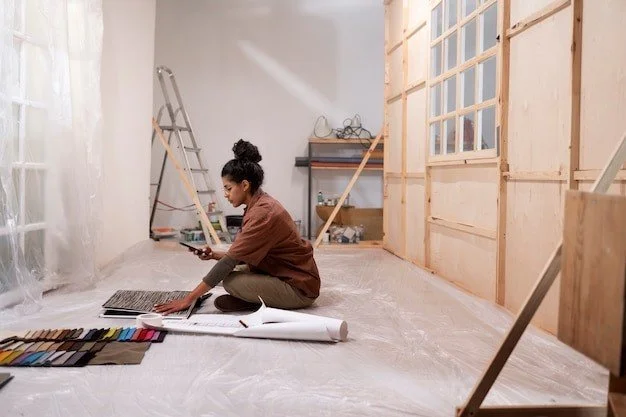
Basement finishing is one of the most effective ways to expand usable living space without altering your home’s footprint. Whether you want a functional workspace, an entertainment zone, or an additional living area, a well-planned basement can transform underutilized square footage into something highly practical. Composite Carpentry specialize in home improvement solutions that align design with functionality, helping homeowners make the most of their interiors through thoughtful planning and execution.
In this guide, we explore detailed basement finishing ideas that maximize space while maintaining comfort, efficiency, and long-term usability.
Why Basement Finishing Matters
Basement finishing is more than just adding drywall and flooring. It involves designing a space that complements the rest of your home while solving practical challenges like lighting, ventilation, and storage.
A finished basement can:
Increase usable square footage
Improve property value
Provide flexible multi-purpose space
Enhance energy efficiency when properly insulated
When approached strategically, basement finishing allows homeowners to create highly customized spaces without major structural expansion.
Planning Your Basement Finishing Project
Assessing Space and Layout
Before beginning any basement finishing project, evaluate the available space. Consider ceiling height, structural elements, and existing utilities such as plumbing and electrical systems.
Key considerations include:
Identifying load-bearing walls
Mapping out natural light sources
Planning access points and walkways
Allocating zones for different functions
A well-thought-out layout ensures that every square foot serves a purpose.
Moisture and Insulation
Basements are prone to moisture issues, which makes proper waterproofing essential. Insulation also plays a critical role in maintaining temperature and comfort.
Focus on:
Sealing cracks and leaks
Installing vapor barriers
Choosing moisture-resistant materials
Adding proper drainage systems if necessary
Without addressing these factors, even the best basement finishing ideas may fail over time.
Smart Basement Finishing Ideas to Maximize Space
Multi-Functional Living Areas
One of the most efficient basements finishing strategies is to create multi-functional spaces. Instead of dedicating the basement to a single use, divide it into flexible zones.
Examples include:
A combined home office and guest room
A media room with a small workspace
A play area that doubles as storage space
Using furniture like fold-out beds or modular seating helps maximize flexibility without overcrowding the room.
Built-In Storage Solutions
Storage is often overlooked in basement finishing projects, yet it is crucial for maintaining organization.
Consider:
Built-in shelving units along walls
Under-stair storage compartments
Custom cabinetry for hidden storage
Vertical storage to free up floor space
Well-integrated storage ensures the basement remains clutter-free while making full use of available space.
Open Concept Design
An open layout can make even a small basement feel larger. Removing unnecessary partitions allows light to travel more freely and improves overall flow.
To achieve this:
Use area rugs to define zones instead of walls
Keep furniture minimal and functional
Maintain consistent flooring throughout
Open concepts are especially effective in basement finishing because they reduce the sense of confinement often associated with lower-level spaces.
Strategic Lighting Design
Lighting is one of the most important elements in basement finishing. Since natural light is limited, artificial lighting must be layered effectively.
Types of lighting to incorporate:
Recessed ceiling lights for general illumination
Task lighting for work areas
Accent lighting to highlight features
Proper lighting design can make a basement feel as bright and welcoming as any other part of the home.
Basement Kitchenettes and Wet Bars
Adding a kitchenette or wet bar can significantly increase functionality, especially if the basement is used for entertaining or as a guest suite.
Explore options like:
Compact cabinetry and countertops
Small refrigerators and sinks
Space-saving appliances
For inspiration on efficient kitchen layouts, you can refer to this guide on the kitchen work triangle, which applies well to compact basement kitchens.
Dedicated Workspaces
With more people working from home, basement finishing often includes creating a quiet and productive office environment.
To optimize space:
Use wall-mounted desks
Install soundproofing materials
Ensure proper lighting and ventilation
A well-designed basement office can improve productivity while keeping work separate from main living areas.
Entertainment and Media Rooms
A basement is ideal for a home theater or entertainment room due to its natural insulation from outside noise.
Design tips include:
Using sound-absorbing materials
Installing large screens or projectors
Arranging seating for optimal viewing
These spaces can also double as family rooms, making them a versatile addition.
Guest Suites
Transforming part of the basement into a guest suite is a practical way to maximize space.
Features to include:
Comfortable sleeping area
Private bathroom if possible
Storage for guests’ belongings
This setup is particularly useful for accommodating visitors without impacting the main living areas.
Fitness and Wellness Areas
A home gym or wellness space is another effective basement finishing idea.
Consider:
Rubber flooring for durability
Mirrors to enhance the sense of space
Proper ventilation systems
Even a small section of the basement can be converted into a functional fitness area.
Material Choices That Enhance Space
Flooring Options
Selecting the right flooring is essential for both aesthetics and durability.
Popular choices include:
Vinyl planks for moisture resistance
Engineered wood for a warm appearance
Carpet tiles for comfort and insulation
Each option should align with the intended use of the basement.
Wall Finishes
Wall treatments can influence how spacious a basement feels.
Options include:
Light-colored paint to reflect light
Textured panels for added depth
Built-in cabinetry to combine function with design
Avoid overly dark colors, as they can make the space feel smaller.
Integrating Basement Finishing with Overall Home Design
A finished basement should feel like a natural extension of your home rather than a separate area.
To achieve this:
Maintain consistent color schemes
Use similar materials and finishes
Align design elements with upper levels
If your project involves broader renovations, such as those described in kitchen renovations and basement remodels, consistency becomes even more important.
Energy Efficiency and Sustainability
Basement finishing offers an opportunity to improve your home’s energy efficiency.
Consider:
Installing energy-efficient lighting
Using insulated doors and windows
Choosing sustainable building materials
These upgrades not only reduce energy costs but also contribute to long-term comfort.
Common Mistakes to Avoid in Basement Finishing
Even with good planning, certain mistakes can limit the effectiveness of your basement finishing project.
Avoid:
Ignoring moisture issues
Overcrowding the space with furniture
Poor lighting design
Lack of storage planning
Addressing these challenges early ensures a more successful outcome.
When to Consider Professional Help
While some aspects of basement finishing can be handled independently, complex projects often require professional expertise.
Situations where professional assistance is beneficial:
Structural modifications
Electrical and plumbing work
Custom cabinetry and built-ins
Services such as composite decks or exterior upgrades like siding in Bloomington can also complement your basement renovation if you are planning a comprehensive home improvement project.
Final Thoughts
Basement finishing is a practical and efficient way to maximize space within your home. By focusing on smart design, proper planning, and functional layouts, you can transform an underused basement into a valuable living area.
From multi-functional rooms to built-in storage and strategic lighting, the possibilities are extensive. The key is to approach basement finishing with a clear plan that balances aesthetics with usability, ensuring the space meets your current needs while remaining adaptable for the future.
FAQ Section
-
The first step is assessing the space, including structural elements, moisture levels, and layout possibilities. Proper planning ensures a smoother finishing process.
-
Use light colors, open layouts, and strategic lighting. Minimizing clutter and incorporating multi-functional furniture also helps create a more spacious feel.
-
Yes, basement finishing can increase usable space and improve property value, making it a worthwhile investment for many homeowners.
-
Moisture-resistant options like vinyl planks or engineered wood are ideal. Carpet tiles can also be used for added comfort in certain areas.
-
Permit requirements vary by location, but most basement finishing projects involving electrical, plumbing, or structural changes will require approval from local authorities
-
The timeline depends on the complexity of the project, but most basement finishing projects take several weeks to a few months to complete.