
What to Look for When Hiring Carpentry Services for Home Projects
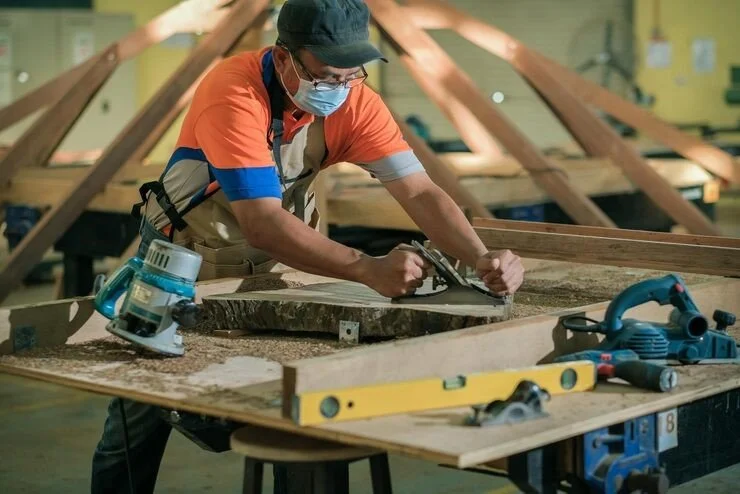
Selecting the right carpentry services can influence the durability, appearance and long-term value of your home projects. Whether you are replacing interior doors, upgrading siding, planning a basement remodel or building a composite deck, the carpenter you choose becomes central to the quality of the result. Homeowners often find the experience easier when they understand what to look for, how to evaluate workmanship and how to compare options with confidence.
Carpentry is a broad field, and every home project requires a slightly different skill set. A carpenter who excels at exterior siding may not be the best match for intricate interior trim work. By learning how to evaluate credentials, craftsmanship, materials, timing and communication, you can navigate the selection process with greater clarity.
This guide explains important considerations in detail and includes internal references to related carpentry topics, such as siding, interior doors and composite deck projects.
Understanding the Range of Carpentry Services
Before comparing professionals, it helps to understand what carpentry services typically include. Some focus on structural framing, others specialize in exterior improvements and many concentrate on interior details that refine the look of a home. The service categories below illustrate how varied the work can be.
Exterior Carpentry Work
Exterior services often involve durable materials, weather-resistant assembly techniques and precise installation. Proper siding installation influences insulation, moisture control and curb appeal.
Interior Carpentry Work
Interior carpenters frequently work on door installations, trim, moulding and other finish-level upgrades. These details define room character, shape transitions between spaces and contribute to the overall style of a home.
Renovations and Structural Enhancements
Many carpentry professionals handle larger renovations, including kitchen updates and basement remodels. These projects require structural knowledge, coordination with other trades and an understanding of building codes.
Deck Building and Outdoor Structures
Deck projects combine structural craftsmanship with design expertise. Composite deck installations require knowledge of specialized materials and fastening systems.
Once you understand the field, the next step is evaluating which professional aligns with your specific home needs.
Key Factors When Choosing Carpentry Services
The choice of carpenter should be based on a combination of skill, experience, communication and reliability. By evaluating each factor carefully, homeowners can reduce risk and achieve a higher quality outcome.
1. Skill Level and Specialization
Carpentry services can vary widely in capability. While some carpenters offer general home improvements, others specialize in areas such as:
Finish carpentry
Exterior cladding
Deck construction
Renovation framing
Custom built-ins
Selecting a carpenter with experience aligned to your project ensures a more efficient workflow and fewer errors. For example, a professional with extensive interior experience will understand how to match trim profiles, ensure smooth door operation and maintain consistent reveals.
2. Quality of Previous Work
Reviewing past projects remains one of the most reliable ways to gauge craftsmanship. Most reputable carpenters maintain a portfolio of completed work. When assessing examples, consider the following:
Precision of cuts and joints
Consistency in finish details
Alignment and symmetry
Integration of materials
Craftsmanship on both visible and less noticeable areas
Well-executed carpentry should show attention to detail even in places that are not immediately visible. This consistency demonstrates pride, discipline and genuine understanding of the trade.
3. Communication and Planning
Effective communication influences how smoothly a project progresses. A skilled carpenter should be able to:
Explain the scope of work clearly
Outline realistic timelines
Provide guidance on materials
Clarify limitations or potential issues
Offer suggestions that enhance long-term durability
A transparent discussion at the start helps align expectations. Reliable carpentry services include accurate scheduling, thoughtful planning and a willingness to answer questions patiently.
4. Material Knowledge and Recommendations
Carpentry projects rely on materials that vary in strength, appearance, maintenance requirements and cost. An experienced carpenter should be comfortable recommending appropriate options for:
Trim and moulding
Flooring transitions
Siding materials
Decking systems
Structural framing components
For example, composite decking requires specific installation techniques and fasteners that differ from natural wood. A carpenter familiar with the product can avoid unnecessary errors.
5. Budgeting and Estimates
Cost should never be the only factor, but clear estimates help prevent misunderstandings. A detailed estimate typically includes labour, materials, disposal fees and any supplemental charges. When reviewing proposals, consider the following points:
A significantly low estimate may indicate minimal experience
High-quality materials require a realistic budget
Transparent pricing reflects professional integrity
Estimates should identify optional upgrades separately
A reliable carpenter balances quality with value and explains why certain materials or methods are recommended.
6. Timeline, Scheduling and Efficiency
Carpentry projects affect how you use your home, so predictable scheduling matters. Ask questions to understand availability, production timeline and potential delays. Efficiency does not mean rushing; it means planning work phases logically and minimizing disruptions.
7. Understanding Local Building Codes
Some carpentry work falls under building code requirements. Decks, structural changes and framing modifications may require permits or inspections. Carpenters familiar with local codes reduce the likelihood of safety issues and rework.
8. Safety Practices and Cleanliness
A professional approach includes maintaining a clean workspace and using proper safety equipment. This protects the home, reduces hazards and shows respect for the client’s environment.
Common Mistakes to Avoid When Selecting Carpentry Services
Many homeowners make choices based on convenience or cost, but these missteps can affect quality and satisfaction.
Relying Only on Price
Lowest cost rarely aligns with best craftsmanship. High-quality carpentry services require skill, reliable tools and proper materials.
Overlooking Specialization
A carpenter skilled in framing may not excel at finish work. Ensure the professional matches the project’s specific requirements.
Not Reviewing Past Work
Examining previous projects helps evaluate ability and consistency. Visual evidence is more informative than verbal assurances.
Failing to Discuss Materials
Using inadequate or unsuitable materials affects durability. Homeowners should understand why certain materials are recommended.
Lack of a Clear Scope
A written scope of work prevents misunderstandings. Clear expectations improve communication and project flow.
How Carpentry Services Influence Home Value
Quality carpentry contributes to home value through both visible and structural improvements. Well-installed siding improves energy efficiency and curb appeal. Interior trim and door upgrades enhance aesthetics and functionality. Composite decks expand outdoor living areas and require less long-term maintenance. Renovations supported by proper framing and craftsmanship maintain structural integrity.
Thoughtful carpentry creates a more cohesive home environment. By investing in skilled work, homeowners reduce the likelihood of future repairs and enjoy a space that feels more intentional, functional and lasting.
Comparing Multiple Carpentry Service Providers
When reviewing multiple professionals, compare them based on consistency rather than isolated features. A balanced comparison typically considers:
Skill and project relevance
Communication and planning
Previous work examples
Material knowledge
Estimate detail
Timeline clarity
Listing advantages and limitations for each option can help homeowners make a confident decision. In most cases, the best carpenter is the one who demonstrates reliability, offers thoughtful recommendations and maintains consistent craftsmanship.
Red Flags to Watch For
Although many carpenters operate with professionalism, certain signs may indicate a poor fit:
Vague or incomplete estimates
Unwillingness to share past work
Lack of clear scheduling information
Poor communication
Pressure to make quick decisions
Limited understanding of materials
Identifying these issues early prevents misunderstandings later.
FAQ: Carpentry Services and Home Projects
-
General carpentry covers structural work such as framing. Finish carpentry focuses on visible details like trim, doors and moulding.
-
Ask for details about the brands, grades and types of materials. A knowledgeable carpenter will explain the reasons behind each choice.
-
Some do, particularly decks, structural changes or major renovations. It depends on local building regulations.
-
Timelines vary by project size. Small interior upgrades may take a few days, while large renovations require several weeks.
-
A detailed estimate includes labor, materials, waste removal and optional upgrades. It should be clear, itemized and transparent.