
Dead Space in Kitchens: Where Storage Is Lost Without Homeowners Noticing
Kitchen storage is one of the most serious concerns of the homeowners especially when renovating. You will be surprised to know how much storage your kitchen can hold once you understand how every space can work together.
As a carpenter, I see this all the time. Two kitchens can be the same size, but one feels cluttered and frustrating while the other feels organized and easy to use. The difference usually isn’t square footage. It’s dead space.
Dead space in kitchens is one of the biggest design problems homeowners don’t notice until after the remodel is finished. And by then, fixing it becomes far more difficult.
Let’s break down where kitchen storage is quietly being lost, why it happens, and how smart design and carpentry can prevent it.
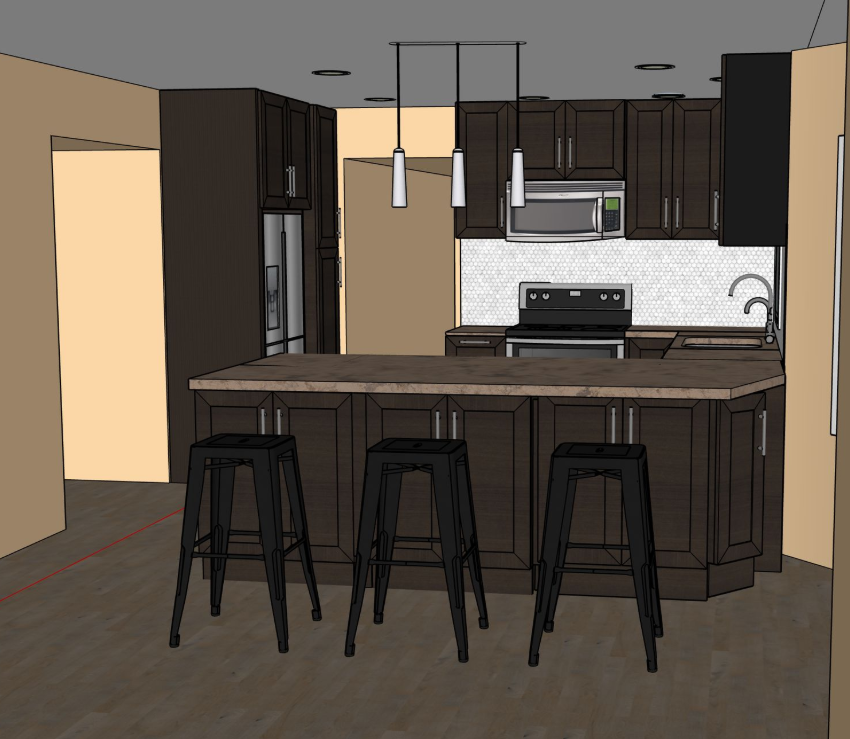
What Is Dead Space in a Kitchen?
Dead space is any area in your kitchen that could be used for storage or function but isn’t.
This doesn’t mean every inch needs to be packed with cabinets. Dead space becomes a problem when it exists unintentionally — when it serves no purpose, adds no comfort, and makes daily kitchen use harder than it should be. A relatable example is a kitchen with cabinets that stop far below the ceiling. That open gap collects dust, gets ignored, and doesn’t improve airflow or lighting. It looks normal because it’s common, but it’s still lost storage. Dead space often hides in plain sight because homeowners assume it’s “just how kitchens are built.”
Why Most Homeowners Don’t Notice Lost Kitchen Storage
Dead space usually comes from standard designs, not bad intentions.
Most kitchens are designed using off-the-shelf cabinet sizes and generic layouts. Homeowners trust that these layouts are efficient because they’re familiar. The problem is familiarity doesn’t equal functionality.
Think about a coat closet with one shelf and a rod. It technically works, but most people end up piling things on the floor. The closet wasn’t designed for how people actually live. Kitchens suffer from the same issue.
Another reason dead space goes unnoticed is that homeowners focus on finishes — cabinet color, countertops, hardware — instead of layout efficiency. By the time they realize storage feels tight, the cabinets are already installed.
The Hidden Cost of Dead Space in Kitchen Design
Dead space costs more than people realize, even without talking about prices.
When storage is inefficient, homeowners compensate by buying organizers, shelving units, or additional furniture. Countertops get cluttered. Pantries overflow. The kitchen feels smaller than it actually is.
There’s also the cost of regret. Many homeowners tell me they wish they had known certain things before their kitchen was built. Once cabinets are installed, reclaiming lost space often requires partial demolition.
In short, dead space quietly reduces the value of your kitchen — functionally and emotionally.
Dead Space Above Kitchen Cabinets
This is one of the most common problem areas.
That open space between the top of your cabinets and the ceiling often serves no purpose. It’s too high to decorate easily and too awkward to clean. Most homeowners forget it exists.
A relatable example is storing rarely used items. Holiday platters, large roasting pans, or bulk paper goods could live up there if cabinets were extended. Instead, those items end up taking space in pantries or lower cabinets where everyday items should be.
In homes with taller ceilings, this vertical dead space becomes even more noticeable. Properly designed cabinets can reclaim that space and make the kitchen feel more intentional and finished.
Dead Space Below Base Cabinets and Toe Kicks
Toe kicks exist for comfort, but they’re often oversized or poorly planned.
In many kitchens, the toe kick area is deeper than necessary. That extra depth becomes unusable space across the entire kitchen footprint. A simple way to picture this is a dresser with a thick base that serves no purpose. You wouldn’t accept that in a bedroom, but kitchens do it all the time. Some designs allow toe kick drawers or reduced-depth toe kicks that still feel comfortable while reclaiming storage for flat items like trays or baking sheets.
Dead Space Inside Corner Kitchen Cabinets
Corner cabinets are notorious for wasted space.
From the outside, they look generous. Inside, they become dark, awkward caves where items disappear. Homeowners often shove bulky items into the back and forget about them entirely. A relatable comparison is a deep trunk with no dividers. Things pile up, and the space feels smaller than it is. Poorly designed corner cabinets create dead space through limited access, not lack of volume. Smarter solutions like angled drawers or optimized shelving allow homeowners to actually use the space instead of avoiding it.
Dead Space at the Ends of Cabinet Runs
Those narrow gaps at the ends of cabinets often go unnoticed until you really look.
Sometimes they’re filled with blank panels that don’t align with anything. Other times, they’re just empty inches between cabinets and walls. Imagine buying a bookshelf and leaving several inches empty on each side because “that’s how it came.” It wouldn’t make sense — yet kitchens accept this all the time. Even small end spaces can be converted into pull-out storage or adjusted cabinetry that improves both function and appearance.
Dead Space Around Kitchen Appliances
Appliances are a major source of lost storage.
Refrigerators are a common culprit. Gaps above or beside them often exist because cabinets weren’t designed to match the appliance size. A relatable example is a fridge that sticks out awkwardly with empty space above it. That area could hold cabinetry for food storage, but instead it becomes a dust shelf. Dishwashers, wall ovens, and ranges also create dead zones when cabinetry isn’t planned around their exact dimensions.
How Standard Cabinet Sizes Create Dead Space
Standard cabinet sizes are convenient, but they aren’t tailored to your kitchen.
They’re designed to fit most spaces, not your space. Think of buying a one-size-fits-most jacket. It technically works, but it never fits perfectly. Kitchens built entirely with standard sizes often end up with filler panels and gaps that quietly waste space. Custom or semi-custom adjustments allow cabinets to work with the room instead of forcing the room to work around the cabinets.
When Kitchen Layout Causes Storage Loss
Sometimes dead space isn’t vertical or hidden — it’s structural.
Poor layouts can create wide walkways where cabinets could exist, or tight corners where storage becomes unusable. A common example is an oversized aisle that feels empty but still doesn’t improve traffic flow. That space could have been redistributed into deeper storage elsewhere. Layout decisions should balance movement and storage, not sacrifice one blindly for the other.
Dead Space Caused by Poor Kitchen Planning
Dead space is often the result of rushing the planning phase. Homeowners are excited to get started, so storage planning takes a back seat to timelines and finishes. This is like building a garage without thinking about where bikes, tools, and lawn equipment will go. The structure exists, but it doesn’t support real life. Good planning anticipates how the kitchen will be used daily, not just how it will look on day one.
How Custom Carpentry Eliminates Dead Space
Custom carpentry isn’t about luxury — it’s about precision.
A carpenter looks at a kitchen differently than a catalog. Every inch is evaluated for purpose.
Custom solutions allow cabinets to meet ceilings, appliances to fit cleanly, and awkward spaces to become functional storage. Instead of filler panels, space becomes intentional.
This doesn’t mean overbuilding. It means building smart.
Smart Storage Solutions That Recover Lost Kitchen Space
Recovering dead space often involves simple design changes. Deeper drawers replace hard-to-reach shelves. Vertical dividers store items upright instead of stacked. Pull-outs turn narrow gaps into usable storage. A relatable example is switching from stacked pots to drawer storage. Suddenly, everything is visible and accessible without digging. These changes don’t increase kitchen size — they increase efficiency.
Small Kitchen Dead Space Solutions That Make a Big Difference
Small kitchens suffer the most from dead space. Every wasted inch feels magnified. Upper cabinet height, appliance placement, and drawer configuration matter more here than anywhere else. Think of a small car with great trunk organization versus a larger trunk with loose items rolling around. The organized space feels bigger. Eliminating dead space can make a small kitchen feel surprisingly spacious.
How to Identify Dead Space in Your Own Kitchen
Walk through your kitchen and ask simple questions.
Are there areas you never use?
Do items get lost or buried?
Do countertops stay cluttered despite having cabinets?
If the answer is yes, dead space is likely the problem.
Look above, below, and inside cabinets — not just at them.
Questions to Ask Your Contractor About Kitchen Storage
Homeowners should feel comfortable asking about storage efficiency.
Ask how cabinet heights were chosen.
Ask what happens in corners and at cabinet ends.
Ask how appliance gaps will be handled.
Good contractors welcome these questions because they prevent regret later.
Is Dead Space Ever Acceptable in Kitchen Design?
Sometimes, yes.
Clearance space, safety zones, and comfort areas are necessary. Not every inch should be filled.
The key difference is intentional space versus accidental space. If it serves a purpose, it isn’t dead.
Problems arise when space exists simply because no one planned for it.
Why Eliminating Dead Space Improves Daily Kitchen Use
When storage works, kitchens feel calmer. Cooking becomes easier. Cleaning takes less time. Items have a place instead of floating around the room. Homeowners often say their kitchen feels “bigger” even though nothing moved. That’s the power of efficient design.
How Dead Space Affects Kitchen Resale Value
Buyers may not name dead space, but they feel it. A kitchen that looks good but functions poorly creates hesitation. Storage efficiency signals quality craftsmanship and thoughtful design. Well-planned kitchens age better because they adapt to changing needs.
Final Thoughts: Designing Kitchens That Work Harder, Not Bigger
Most kitchens don’t need more square footage. They need better use of the space they already have.
Dead space is quiet, expensive, and frustrating — but it’s also preventable.
It is important to consider that working with an expert can help you discover your kitchen’s hidden space and best layout. When the intention is there, your kitchen can be both beautiful and functional.