
Choosing the Right Siding Material for Your Home
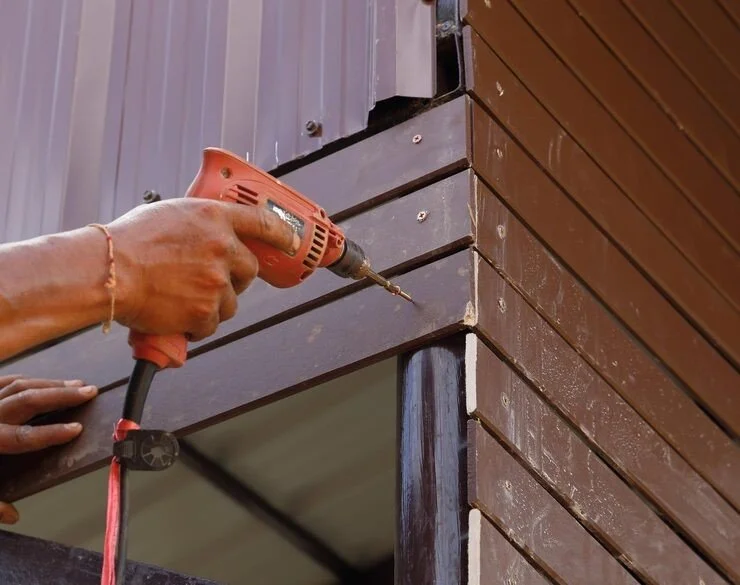
Selecting the right siding material for your home is one of the most important decisions you can make when planning an exterior improvement project. Siding has a direct impact on curb appeal, home value, energy performance and long-term durability. At Composite Carpentry, homeowners can explore reliable siding solutions that balance appearance with function. Whether you are considering an installation or reviewing your options before a renovation, understanding how each siding material performs will help guide you toward an informed choice.
Siding plays a protective role by shielding your home from weather, moisture and temperature changes. It also shapes the first impression of your property. With so many materials available, ranging from traditional wood to highly engineered composites, taking the time to compare options ensures that you select something suited to your climate, budget and maintenance preferences.
Before reviewing the advantages and challenges of each siding material, it helps to look at how siding ties into the broader services and expertise provided by professional carpentry and exterior renovation teams. At Composite Carpentry, for example, siding installation and replacement services support homeowners throughout Bloomington and surrounding areas.
This blog offers a detailed comparison of the most common siding materials to help you make the best decision for your home.
Understanding the Role of Siding
Siding is more than an exterior covering. It contributes to insulation, moisture control and structural protection. Choosing the right siding material affects performance in several ways:
How well the home resists moisture and weather
How often maintenance will be required
Long-term energy efficiency
Overall durability and lifespan
Appearance, texture and architectural style
These practical considerations highlight why selecting a suitable siding material should involve more than comparing color options. It is worth evaluating how each material performs in climates with seasonal temperature shifts, such as those common in many regions of the Midwest.
Factors to Consider When Choosing a Siding Material
Different homes and locations can demand different types of siding. Understanding what matters most for your property will narrow your options.
1. Climate and Weather Resistance
Weather is one of the strongest influences on siding performance. Homes in areas with high humidity, heavy rainfall or intense temperature fluctuations need materials that resist swelling, warping and moisture intrusion. Siding materials like fiber cement and engineered wood are often chosen for their stability across seasonal changes.
2. Longevity and Durability
A siding material should withstand years of exposure without losing structural integrity. Some materials are more resistant to insects, rot and impact than others. Vinyl, fiber cement and metal are known for long service lives with fewer signs of wear.
3. Maintenance Requirements
Not all siding materials require the same level of care. Some need repainting every few years, while others only need occasional washing. Homeowners who prefer minimal maintenance usually consider materials that require little more than routine cleaning.
4. Cost and Budget Planning
Material cost varies widely. Natural wood siding has a different price range than vinyl or engineered materials. Installation complexity should also be considered, as certain materials require more labor or special expertise.
5. Aesthetic Preferences
Different siding materials offer varying textures, profiles and finishes. The architectural style of your home should guide your selection. Some materials offer a classic, warm appearance, while others deliver a more modern or low-profile look.
6. Energy Efficiency
Insulated siding options can enhance the thermal performance of your home. The right material can help regulate indoor temperatures and contribute to reduced energy usage.
Common Siding Materials and Their Characteristics
Each siding material has unique strengths. Understanding how they compare will help you choose an option aligned with your home’s needs.
Vinyl Siding
Vinyl siding is one of the most widely used siding materials due to its affordability and low maintenance. It offers a smooth or textured appearance and comes in a variety of styles.
Advantages:
Low maintenance
Resistant to common issues like rot and insects
A wide range of colors and profiles
Affordable installation
Considerations:
Not as impact-resistant as some engineered options
Can fade over time if exposed to prolonged sunlight
Appearance may not match the authenticity of natural wood
Vinyl is a practical choice for homeowners seeking a balance between budget and convenience without sacrificing appearance.
Fiber Cement Siding
Fiber cement is a composite material made from cement, sand and cellulose fibers. It is known for its strength and stability.
Advantages:
Highly durable and long-lasting
Resistant to pests, rot and fire
Mimics wood grain without the same upkeep
Suitable for a variety of climates
Considerations:
Higher installation cost due to weight
Requires painting, though less frequently than wood
Installation must be done by experienced professionals
Fiber cement is an excellent choice for homeowners looking for longevity and a refined, natural appearance.
Wood Siding
Wood siding offers a timeless aesthetic and is favored for its natural beauty. It can be installed as shingles, clapboard or board-and-batten.
Advantages:
Classic appearance with unique grain patterns
Highly customizable with stains and paints
Offers strong curb appeal
Considerations:
Requires consistent maintenance to prevent rot or insect damage
Higher cost for long-term upkeep
Less resistant to fire and moisture unless treated
While wood siding requires dedication to maintenance, its warmth and traditional appearance continue to make it a popular option.
Engineered Wood Siding
Engineered wood siding combines natural wood fibers with resins and binders to create a material that retains the look of wood while improving its durability.
Advantages:
More resistant to moisture and pests than natural wood
Often more affordable than fiber cement
Lightweight and easier to install
Considerations:
Requires periodic painting
Not all brands offer equal levels of durability
Must be installed according to specifications to avoid moisture issues
Engineered wood appeals to homeowners who want the look of wood with enhanced performance. It is often chosen for its balance between cost and durability.
Metal Siding
Metal siding is available in aluminum and steel, and has become increasingly popular for modern architectural styles.
Advantages:
Very durable and long-lasting
Resistant to insects and moisture
Low maintenance and easy to clean
Suitable for fire-prone areas
Considerations:
Can dent from impact
Color finishes may fade over time
Industrial appearance may not suit all homes
Metal siding works well for homeowners seeking a contemporary look and strong protection against the elements.
Brick and Stone Veneer
Brick and stone veneer siding offers the appearance of full masonry at a fraction of the weight and cost.
Advantages:
Strong aesthetic impact
Long lifespan with low maintenance
High resistance to weather and fire
Considerations:
More expensive than wood or vinyl
Requires professional installation
Limited flexibility for certain architectural styles
These materials create a sense of permanence and elegance, making them a striking choice for certain home designs.
How to Know When It Is Time to Replace Your Siding
Even high-quality siding materials will eventually show signs of age. Recognizing when it is time to replace your siding helps prevent deeper structural issues. Some general signs include soft spots, warping, visible moisture damage, loose panels or excessive fading.
Additional Considerations When Planning a Siding Project
A siding upgrade often intersects with other home improvement projects. Exterior updates may include trim replacement or the installation of new doors. Coordinating siding with complementary improvements ensures a unified exterior appearance. Composite Carpentry also provides interior door and trim services, which can support homeowners completing larger renovation plans.
Planning a home improvement project holistically can help ensure that both interior and exterior components work together visually and structurally.
Frequently Asked Questions
-
Fiber cement and metal siding are among the longest-lasting materials. They resist moisture, insects and temperature fluctuations better than many alternatives.
-
Vinyl siding typically requires the least maintenance. Routine washing is usually enough to maintain its appearance.
-
Most siding materials last between 20 and 50 years depending on installation quality, climate and maintenance. Regular inspection helps determine the right time for replacement.
-
Insulated siding materials provide an added thermal barrier. Even non-insulated siding can contribute to better performance if paired with proper underlayment and installation.
-
Wood siding remains popular for its natural appearance. It is a strong choice for homeowners willing to commit to more involved maintenance.